
Learn Every Ancient Callout in CS2 and How to Use It
Ancient is one of the more complex maps in Counter-Strike 2, with tight chokepoints, layered angles, and plenty of spots where a single word can win or lose a round. If you have ever died because a teammate said an enemy was somewhere and you had no idea where they meant, you already understand why callouts matter. Learning them is one of the fastest ways to raise your value to a team.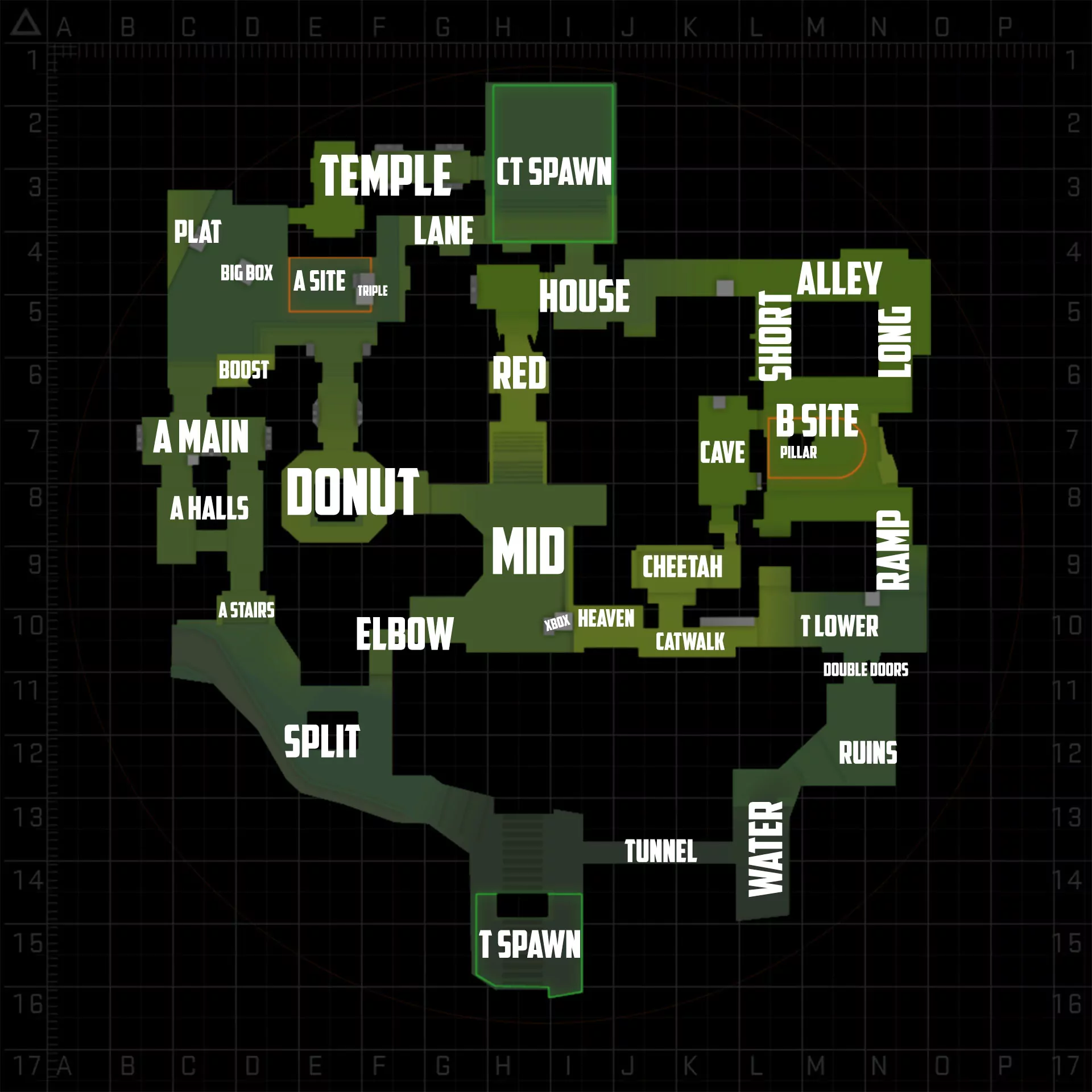
Callouts are simply the agreed-upon names for locations on a map, and knowing them lets you share information instantly. For a complete visual reference you can study alongside this guide, check out https://skinkings.com/cs2-callouts/ancient-callouts/. Below we break the map into simple zones with a list for each so you can start communicating like a coordinated squad.
Why Callouts Win Rounds
Good communication often beats good aim. When you can tell teammates exactly where an enemy is, they can rotate, prepare utility, and trade kills far more effectively. A team that shares information cleanly will consistently beat a group of better individual aimers who play in silence. On a map with as many angles as Ancient, that shared picture is often the difference between a clean retake and a lost round.
Key Ancient Callouts
Ancient splits into the A site, the central middle, and the B site, each with its own important spots. The table below gives a quick overview, then each list below breaks an area down name by name.
A Site Callouts
The A site sits around Temple and its surrounding structures. These are the names you will use most when attacking or defending A.
- Temple - the raised stone structure defenders anchor from
- House - the building attackers push through toward A
- Alley - the narrow lane leading onto the site
- Ninja - a tucked-away hiding spot beside the boxes
- CT - the path back toward Counter-Terrorist spawn
- Elbow - the bent corner on the way into A
Middle Callouts
Mid control on Ancient decides how easily each team can rotate. Learn these central spots to call fights in the heart of the map.
- Mid - the central lane linking both bombsites
- Cave - the T-side entrance dropping toward B
- Boat - the wooden boat cover in the middle
- Ramp - the slope leading up out of mid
- Water - the low sunken area beside mid
B Site Callouts
The B site is defined by its round cover and the ramp attackers use to reach it. These calls keep your team coordinated on B.
- Donut - the round pillar of cover on the site
- Ramp - the main slope attackers push through
- SandBags - the sandbag cover near the bomb spot
- Sniper - the long angle watching the B approach
- Backsite - the rear corner behind the plant spot
- Water - the low channel running beside the site
How to Actually Use Callouts
Memorizing names is only half the job. Using them well under pressure is what wins rounds. Follow these simple habits and your communication will improve quickly.
- Say the location, the number of enemies, and their health if known
- Keep calls short: one clear name beats a paragraph
- Call out even when you die, since your info still helps
- Update your team when an enemy moves to a new spot
- Avoid talking over teammates during clutch moments
Practice in Casual First
Do not wait until a ranked match to try new callouts. Play a few casual games on Ancient and force yourself to use the names out loud until they stick in a low-pressure setting.
Pair Callouts With Utility
The most effective calls combine location with action, such as naming where an enemy is and asking for a flash or smoke there. When your team links callouts to utility, you start executing as a coordinated unit.